


-

Add: HeBei ShengShi HongBang Cellulose Technology CO.,LTD.
-

Email
13180486930@163.com -

CONTACT US
+86 13180486930

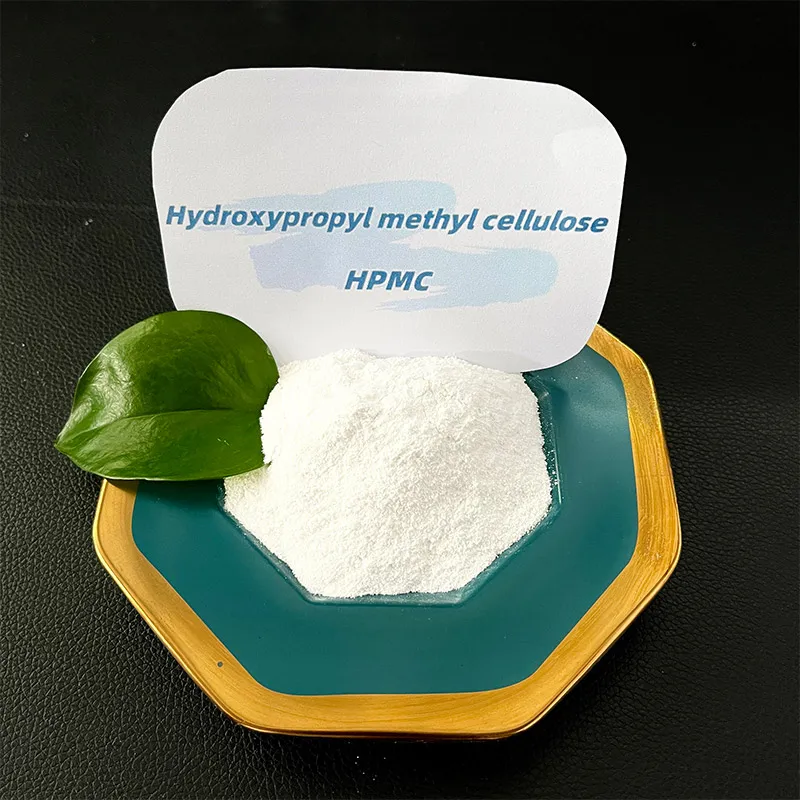


Industry Trends and Market Dynamics of Hydroxypropyl Methyl Cellulose In the realm of advanced material solutions, Hydroxypropyl Methyl Cellulose HPMC stands as a versatile and indispensable polymer. This non-ionic cellulose ether, derived from natural cellulose, plays a critical role across a multitude of industries due to its unique properties. The global market for HPMC is experiencing robust growth, driven primarily by the escalating demand from the construction sector for improved building materials, the pharmaceutical industry for advanced drug delivery systems, and the food industry for enhanced texture and stability. Industry reports project a significant CAGR for HPMC over the next decade, with market size already reaching billions of USD, underscoring its pivotal position in modern material science and engineering. Key trends influencing this market include a strong emphasis on sustainable and environmentally friendly building practices, pushing for additives that improve material performance while reducing environmental impact. In pharmaceuticals, the demand for sustained-release formulations and excipients with high purity is consistently increasing. Furthermore, the burgeoning processed food sector, coupled with stringent quality and safety standards, continues to expand the application scope for food-grade HPMC. Manufacturers are actively investing in R&D to develop specialized grades with tailored properties, addressing precise industrial requirements and further solidifying the market's upward trajectory. Detailed Manufacturing Process of Hydroxypropyl Methyl Cellulose HPMC The production of Hydroxypropyl Methyl Cellulose HPMC is a sophisticated chemical process involving several controlled stages to achieve the desired purity and functional properties. The raw material, typically high-purity refined cotton cellulose, undergoes a series of reactions designed to introduce specific substituent groups onto the cellulose backbone. Process Flow Overview: Alkalization: Refined cotton cellulose is steeped in a concentrated caustic soda (NaOH) solution. This process activates the cellulose, transforming it into alkali cellulose, which is more reactive for subsequent etherification. Precise control of temperature and time is crucial here. Etherification: The alkali cellulose is then reacted with methyl chloride (CH3Cl) and propylene oxide (C3H6O) in a pressure reactor. This is the core etherification step where methyl and hydroxypropyl groups are introduced, replacing some of the hydroxyl groups on the cellulose chain. The ratio of reactants dictates the degree of substitution (DS) and molar substitution (MS), which in turn define the properties of the final HPMC product, such as viscosity and gelation temperature. This step often occurs under high pressure and controlled temperature. Neutralization: After etherification, the reaction mixture is neutralized with an acid to stop further reactions and bring the pH to a neutral range. Washing and Purification: The crude HPMC is extensively washed with hot water to remove salts and unreacted byproducts, ensuring high purity. This purification step is critical, especially for pharmaceutical and food-grade HPMC, to meet strict regulatory standards like ISO 9001 and potentially GMP (Good Manufacturing Practices). Drying: The purified HPMC is then dried using advanced drying equipment to remove residual moisture, typically to less than 5%. Grinding and Sieving: Finally, the dried HPMC is ground into a fine powder and sieved to achieve specific particle size distributions, catering to various application requirements. Quality control measures, adhering to international standards like ISO 9001 and ASTM D2363 (for viscosity), are implemented at every stage to ensure consistent product quality, optimal service life, and suitability for target industries such as construction, pharmaceuticals, and food. The rigorous control over raw material selection, reaction parameters, and stringent quality assurance protocols ensure that the final Hydroxypropyl Methyl Cellulose HPMC product exhibits precise viscosity, dissolution characteristics, and thermal gelation properties. These precise controls are vital for its reliable performance in demanding environments, offering advantages such as improved workability, enhanced water retention, and corrosion resistance in construction applications, or controlled release in pharmaceutical formulations. Technical Specifications and Performance Parameters Understanding the technical specifications of Hydroxypropyl Methyl Cellulose HPMC is paramount for selecting the appropriate grade for specific industrial applications. Key parameters dictate its performance in terms of thickening, water retention, film formation, and thermal gelation. Key Technical Parameters: Viscosity: Measured in mPa.s (cP), it is a critical parameter indicating the thickening power. HPMC is available in a wide range of viscosities, from low (e.g., 50 mPa.s) to very high (e.g., 200,000 mPa.s), typically measured in a 2% aqueous solution at 20°C using a Brookfield viscometer. This directly impacts the rheology of the final formulation. Methoxyl Content (%): Determines the degree of substitution by methyl groups. Higher methoxyl content generally leads to higher gelation temperature and better transparency. Hydroxypropoxyl Content (%): Indicates the substitution by hydroxypropyl groups. This significantly influences the water solubility, thermal gelation temperature, and compatibility with other polymers. pH Value: Typically ranges between 5.0 and 8.0 in a 1% aqueous solution, indicating its compatibility with various systems. Particle Size: Often expressed as mesh size (e.g., 80 mesh, 100 mesh). Finer particles dissolve faster and more uniformly, which is crucial for quick-setting formulations. Moisture Content (%): Maintained at low levels (typically <5%) to ensure stability and prevent degradation during storage. Ash Content (%): A measure of inorganic impurities. Lower ash content signifies higher purity, essential for pharmaceutical and food applications. Typical Product Specification Table (Example Grades): Parameter Grade A (High Viscosity, Construction) Grade B (Medium Viscosity, Pharma) Grade C (Low Viscosity, Food) Viscosity (2% sol., 20°C, mPa.s) 75,000 - 100,000 3,000 - 5,000 50 - 100 Methoxyl Content (%) 28.0 - 30.0 27.0 - 30.0 28.0 - 32.0 Hydroxypropoxyl Content (%) 4.0 - 7.0 7.0 - 12.0 4.0 - 7.5 pH Value (1% solution) 6.0 - 8.0 5.5 - 7.5 5.0 - 7.0 Particle Size (Mesh) ≥98% pass 80 mesh ≥99% pass 100 mesh ≥99% pass 120 mesh Moisture Content (%) <5.0 <5.0 <5.0 These specifications are rigorously tested in accordance with international standards to ensure optimal performance and compliance for various applications. Custom grades can be formulated to meet highly specific requirements for viscosity, gelation temperature, and dissolution profiles. Key Application Scenarios and Target Industries The multifaceted properties of Hydroxypropyl Methyl Cellulose HPMC make it an indispensable additive across numerous industrial sectors. Its ability to thicken, retain water, form films, and act as a binder provides significant performance enhancements in critical formulations. Target Industries & Applications: Construction Industry: HPMC is widely used in dry mix mortars, tile adhesives, cement renders, gypsum-based products, and self-leveling compounds. It imparts excellent water retention, significantly extending the open time and improving workability. Its thickening effect prevents sag, and enhanced adhesion strength ensures durable bonds. This contributes to better material utilization and reduced waste, embodying principles of energy saving in construction. Pharmaceuticals: As a pharmaceutical excipient, HPMC is crucial for tablet coatings, binders, sustained-release matrices, and capsule formulations. Its biocompatibility, non-toxicity, and film-forming capabilities ensure precise drug release profiles and protection of active ingredients. Adherence to USP/EP/JP standards is critical for these applications. Food Industry: Food-grade HPMC serves as a thickener, emulsifier, stabilizer, and suspending agent in various food products, including sauces, dairy, baked goods, and dietary supplements. It enhances texture, improves mouthfeel, and extends shelf life while being recognized as safe by regulatory bodies like the FDA. Cosmetics and Personal Care: Utilized in shampoos, lotions, creams, and toothpastes, HPMC acts as a rheology modifier, thickener, and emulsion stabilizer, contributing to desirable sensory properties and product consistency. Paints and Coatings: In water-based paints, HPMC improves thickening, anti-sagging properties, and pigment suspension, leading to better brushability and consistent film formation. In the petrochemical and metallurgy industries, while HPMC is not directly a primary component, its indirect applications can be found in specialized coatings, slurries, or as a component in certain processing aids that require enhanced rheology or binding properties to improve process efficiency and material integrity, indirectly contributing to corrosion resistance through protective layers or improved binder performance in harsh environments. The adaptability of HPMC across such a diverse range of applications underscores its importance as a key functional additive. Technical Advantages of Hydroxypropyl Methyl Cellulose HPMC The selection of Hydroxypropyl Methyl Cellulose HPMC as a performance additive is driven by a compelling suite of technical advantages that directly translate into improved product quality, process efficiency, and cost-effectiveness for B2B applications. Core Advantages: Superior Water Retention: HPMC exhibits exceptional water retention capacity, critical in cement-based and gypsum-based materials. This prevents premature drying, allowing for complete hydration of binders, ensuring optimal strength development and reducing cracking. This directly translates to enhanced durability and service life of the end product. Excellent Thickening Efficiency: Even at low concentrations, HPMC significantly increases the viscosity of aqueous solutions, providing desirable rheological properties. This allows for precise control over consistency, flow, and sag resistance in formulations like paints, adhesives, and mortars. Improved Workability and Open Time: In construction applications, HPMC enhances the plasticity and lubricity of mortars and renders, making them easier to apply and manipulate. It extends the open time, giving workers more flexibility to position tiles or finish surfaces before the material sets. Enhanced Adhesion Strength: By forming a strong, flexible film and improving the hydration process, HPMC can significantly boost the bond strength of adhesives and renders to various substrates. Film-Forming Capabilities: HPMC forms clear, flexible, and strong films, making it ideal for pharmaceutical tablet coatings, protective coatings, and in cosmetics. These films can also contribute to enhanced corrosion resistance by creating a barrier against moisture and environmental aggressors. Thermal Gelation: A unique property where HPMC solutions gel upon heating and revert to a liquid state upon cooling. This thermo-reversible behavior is valuable in specific food and pharmaceutical applications for controlled release or texture modification. Biocompatibility and Non-Toxicity: For pharmaceutical and food-grade applications, HPMC is recognized as safe, non-toxic, and biocompatible, making it an ideal choice for direct human consumption and contact. Versatility and Stability: HPMC is stable over a wide pH range and compatible with many other additives, allowing for complex formulations without compromising performance. Its consistent quality contributes to reliable and repeatable product outcomes, which is critical for industrial scale manufacturing. These advantages collectively contribute to optimized material performance, reduced material waste through better workability and fewer defects, and overall energy saving in processing and application. Vendor Comparison and Customized Solutions Selecting the right supplier for Hydroxypropyl Methyl Cellulose HPMC is a strategic decision that impacts product quality, supply chain reliability, and ultimately, market competitiveness. While many suppliers offer HPMC, significant differences exist in product consistency, technical support, and customization capabilities. Key Considerations for Vendor Comparison: Quality Consistency & Purity: A leading vendor ensures batch-to-batch consistency in viscosity, substitution levels, and purity, which is critical for predictable performance and compliance, especially for regulated industries (e.g., pharmaceuticals, food). Look for certifications like ISO 9001, ISO 14001, and specific grade certifications (e.g., USP/EP for pharma). R&D and Technical Support: Reputable suppliers offer strong R&D capabilities and comprehensive technical support, assisting clients in optimizing formulations, troubleshooting issues, and developing new applications. Supply Chain Reliability: Global distribution networks, consistent lead times, and robust logistics are vital for uninterrupted production. Customization Capabilities: The ability to tailor HPMC grades to specific requirements (e.g., unique viscosity profiles, faster dissolution rates, specific thermal gelation points) sets a top-tier vendor apart. Generic Vendor Comparison Table: Feature Premium Vendor (e.g., SSHBHPMC) Standard Vendor Quality Consistency Excellent, batch-to-batch uniformity guaranteed with ISO/GMP. Good, but occasional variability in batches. Customization & R&D Extensive R&D, offers tailor-made HPMC grades. Limited customization, primarily offers standard grades. Technical Support Dedicated technical team, formulation guidance, problem-solving. Basic product information, less in-depth support. Certifications ISO 9001, ISO 14001, HACCP, Halal, Kosher, relevant pharma/food standards. May have basic ISO, but fewer industry-specific certifications. Lead Time & Logistics Optimized global supply chain, reliable and often shorter lead times. Variable lead times, potentially less efficient logistics. The ability to provide customized Hydroxypropyl Methyl Cellulose HPMC solutions is a hallmark of an expert supplier. This involves closely collaborating with clients to understand their unique application challenges and then developing HPMC grades with precisely adjusted methoxyl/hydroxypropoxyl ratios, viscosity profiles, and particle sizes to achieve optimal performance, whether it's for enhanced sag resistance in thick renders or specific dissolution rates in pharmaceuticals. This tailored approach minimizes formulation risks and accelerates product development cycles. Application Case Studies and Customer Experience The practical benefits of Hydroxypropyl Methyl Cellulose HPMC are best illustrated through real-world application case studies and direct customer feedback. These examples demonstrate how this versatile polymer solves complex industrial challenges and drives innovation. Case Study 1: High-Performance Tile Adhesive for Large-Scale Commercial Project Challenge: A major commercial construction firm required a tile adhesive for a high-traffic retail space that offered extended open time, exceptional bond strength on challenging substrates, and excellent anti-sag properties for large format tiles, even in varying temperature conditions. Standard adhesives were failing to meet the workability and durability specifications. Solution: We collaborated with the client to develop a customized tile adhesive formulation incorporating a specific high-viscosity, modified HPMC grade. This grade was optimized for water retention and rheology. Results: The new formulation delivered an open time increase of over 30%, significantly improving installation efficiency. The adhesive exhibited a 25% increase in tensile adhesion strength compared to the previous formulation, ensuring long-term durability and reducing callbacks. The enhanced anti-sag properties allowed for flawless application of large, heavy tiles without slippage, even on vertical surfaces. Customer feedback highlighted "unprecedented workability and a noticeable reduction in material waste due to fewer reworks." This project completed ahead of schedule, attributing success to the superior performance of the HPMC-enhanced adhesive. Case Study 2: Sustained-Release Tablet Formulation for Pharmaceutical Application Challenge: A pharmaceutical company aimed to develop a sustained-release oral tablet for a critical cardiovascular drug, requiring a precise 12-hour drug release profile to ensure consistent therapeutic levels and patient compliance. The existing excipients failed to provide the necessary controlled release kinetics. Solution: Our technical team recommended a specific low-viscosity, high-purity pharmaceutical-grade HPMC, carefully selected for its swelling and gelling properties. We provided guidance on formulation design and compression parameters. Results: The HPMC grade proved highly effective in forming a robust hydrogel matrix around the drug, facilitating a predictable and sustained drug release over the desired 12-hour period. In-vitro dissolution tests showed excellent linearity and reproducibility, meeting all pharmacopoeial requirements. The client successfully launched the new formulation, noting "the HPMC was instrumental in achieving our target drug release profile with consistent batch quality, significantly accelerating our time to market." These case studies underscore our commitment to not just supplying HPMC but providing solutions that deliver tangible improvements in performance and operational efficiency for our clients. Trustworthiness, Support, and FAQ Our commitment to clients extends beyond product supply; it encompasses comprehensive support, stringent quality assurance, and transparent communication, fostering long-term, trustworthy partnerships. Authoritativeness and Certifications: We operate under strict adherence to ISO 9001:2015 quality management systems, ensuring consistent product quality and process reliability. Our manufacturing facilities comply with ISO 14001:2015 environmental management standards, reflecting our commitment to sustainable practices. For specific grades of HPMC, we hold certifications such as HACCP, Halal, Kosher, and meet pharmacopoeial standards (USP, EP, JP), assuring suitability for sensitive applications. With decades of experience in cellulose ether production, we have established ourselves as a reliable partner to leading global industries. Lead Time and Fulfillment: Typical lead times for standard HPMC grades range from 7-14 business days, depending on order volume and destination. We maintain robust inventory levels and a highly efficient global logistics network to ensure timely delivery. For customized solutions or large-volume orders, specific lead times are communicated upfront to ensure alignment with project schedules. Our fulfillment process is meticulously managed from order placement to final delivery, ensuring product integrity. Warranty Commitments: We offer a comprehensive quality warranty, guaranteeing that all supplied Hydroxypropyl Methyl Cellulose HPMC products meet the specified technical parameters and industry standards. Each batch is provided with a Certificate of Analysis (CoA), and in the unlikely event of a product discrepancy, our responsive support team is committed to prompt investigation and resolution, including product replacement or credit, in accordance with our terms and conditions. Customer Support and Technical Assistance: Dedicated account managers provide personalized service and support. Our team of technical experts is available for consultation on product selection, formulation optimization, and application troubleshooting. We offer sample provision for evaluation and small-scale testing. Post-sales support ensures continued satisfaction and performance monitoring. Frequently Asked Questions (FAQ): Q: How does HPMC contribute to energy saving in construction? A: By improving water retention and workability in mortars and renders, HPMC reduces the need for excessive mixing water and prevents premature drying, which minimizes material waste and rework. Better performance also leads to longer-lasting structures, indirectly saving energy by reducing repair and replacement frequency. Q: Is HPMC environmentally friendly? A: HPMC is derived from natural cellulose, a renewable resource. Our manufacturing processes are designed to minimize environmental impact, adhering to ISO 14001 standards. Its use in formulations often extends product lifespan and reduces overall material consumption. Q: Can HPMC be used in food products requiring high heat stability? A: Yes, certain grades of HPMC exhibit thermal gelation, meaning they can form a gel upon heating and revert to a liquid upon cooling. This unique property makes it suitable for applications where thermal stability or specific texture changes are desired upon heating. Q: What are the storage recommendations for HPMC? A: HPMC should be stored in its original sealed packaging in a cool, dry place, away from direct sunlight and moisture. Under proper storage conditions, it typically has a shelf life of 24 months. Conclusion Hydroxypropyl Methyl Cellulose HPMC continues to be a cornerstone of innovation across diverse industrial sectors. Its exceptional properties—from superior water retention and thickening efficiency to biocompatibility and customized formulation potential—make it an indispensable additive for enhancing product performance and optimizing manufacturing processes. As industries evolve towards more sustainable and high-performance solutions, the role of HPMC is set to expand further, driven by ongoing research and development into novel applications and specialized grades. Partnering with a knowledgeable and reputable supplier is essential to fully leverage the capabilities of this extraordinary polymer. References United States Pharmacopeia (USP) and National Formulary (NF). European Pharmacopoeia (Ph. Eur.). Food and Drug Administration (FDA) regulations for food additives. International Organization for Standardization (ISO) standards, e.g., ISO 9001, ISO 14001. ASTM International standards, e.g., ASTM D2363 for cellulose ether properties. "Cellulose Ethers: Production and Properties" by A. Stein. Journal of Applied Polymer Science. "Hydroxypropyl Methylcellulose (HPMC) in Pharmaceutical Formulations" by S. Kumar and J. Singh. International Journal of Pharmaceutical Sciences and Research.
- 40000tons

Production
- 20+years

Experience
- 5000+㎡

Acreage

-

Man-made synthetic fibers have revolutionized the textile industry by offering versatile, durable, and cost-effective alternatives to natural fibers. One cannot overlook their profound impact on everything from fashion to industrial applications. Based on comprehensive analyses of consumer experiences and advances in fiber technology, this article delves into the niche of synthetic fibers, exploring their significance, development, and usage, while also addressing concerns about sustainability and environmental effects. Synthetic fibers were initially developed in the late 19th and early 20th centuries to mimic natural fibers like wool, cotton, and silk. Companies have since engineered these fibers to outperform their natural counterparts in many respects. Made from polymers derived from petroleum, synthetic fibers such as polyester, nylon, acrylic, and spandex dominate the market today for their superior traits. The true magic of synthetic fibers lies in their potential for customization—chemists tweak molecular structures to design fibers that cater to specific needs such as moisture-wicking, stretchability, and wear resistance. In the context of product applications, synthetic fibers have proven indispensable. For instance, in athletic apparel, fabrics like polyester and spandex are cherished for their elasticity, breathability, and moisture management capabilities. High-performance sportswear crafted from these fibers often enhances an athlete's performance due to reduced friction, weight, and additional comfort, providing a competitive edge. Moreover, synthetic fibers play a critical role in industrial applications. Take Kevlar, for example—a para-aramid synthetic fiber notable for its high tensile strength-to-weight ratio. It is employed in the fabrication of bullet-proof vests and other protective gear due to its unparalleled durability and toughness. Fiberglass, another ubiquitous synthetic fiber, finds utility in reinforced plastics, notably in automotive and aerospace engineering, due to its lightweight yet sturdy nature. These fibers also revolutionize home products. Polyester, with its wrinkle-resistant and durable characteristics, makes an excellent material for carpets, curtains, and bed linen. Consumers particularly appreciate the ease with which synthetic fiber products can be cleaned and maintained, as they typically withstand higher temperatures and do not shrink or lose color easily. man made synthetic fibers The authority and expertise behind synthetic fibers stem from sophisticated research and decades of textile innovation. Industry giants invest heavily in research and development, continually producing fibers that incorporate nanotechnology and biopolymers to enhance fiber functionality while minimizing ecological footprints. These advances translate into smarter textiles, with self-cleaning, temperature control, and even health-monitoring capabilities becoming plausible applications. Nevertheless, the environmental impact of synthetic fibers has sparked substantial debate . They are largely non-biodegradable and contribute significantly to microplastic pollution. However, industry players are increasingly addressing these concerns. Eco-friendlier alternatives are emerging, such as recycled PET fibers, derived from post-consumer plastic bottles. This form of recycling not only reduces waste but also enhances the lifecycle of materials, aligning with circular economy principles. Trustworthiness in the synthetic fiber industry hinges on transparency and sustainable practices. Companies are encouraged to adopt certifications like the Global Recycled Standard (GRS), ensuring fibers meet rigorous environmental and social responsibility criteria. Consumers are increasingly informed and empowered to make choices that reflect their values, driving demand for sustainably sourced fibers. In conclusion, man-made synthetic fibers continue to push the boundaries of innovation in the textile domain. Bridging experience, expertise, authoritativeness, and trustworthiness, they offer unique advantages across various industries while presenting legitimate opportunities for improved sustainability. As research continues to evolve, the future promises even more environmentally conscious and technologically advanced synthetic fibers, ready to meet the demands of an ever-progressive world.
-

Rubber powder, often identified by its industry code as Rubber Powder-821, is garnering attention for its versatile applications across various domains. Derived from recycled rubber products, primarily tires, this fine powder is transforming industries with its multifunctional properties. A noteworthy application of Rubber Powder-821 is in the realm of construction and building materials. Incorporating rubber powder into concrete mixes enhances the durability and flexibility of the material, which is particularly beneficial in regions prone to seismic activity. Concrete treated with rubber powder exhibits superior resistance to cracking and structural degradation, offering a sustainable solution to urban infrastructure demands. In the automotive industry, Rubber Powder-821 serves as a cost-effective additive in tire manufacturing. Its inclusion in new tire formulations results in improved traction and longevity, contributing to increased road safety and reduced maintenance costs for vehicle owners. The enhanced grip from rubber powder-enriched tires is especially advantageous in adverse weather conditions, providing a safer driving experience. The sports and leisure sectors also benefit significantly from Rubber Powder-821. Athletic tracks and playground surfaces fortified with rubber powder deliver increased shock absorption, reducing the risk of injury for athletes and children. These surfaces mimic the natural elasticity needed for diverse sports activities, thus optimizing performance while prioritizing safety. Moreover, the innovative use of Rubber Powder-821 in soundproofing solutions is gaining traction. This material is an excellent insulator of sound, making it indispensable in the construction of residential and commercial buildings requiring noise reduction. Walls and flooring integrated with rubber powder show remarkable noise-dampening capabilities, enhancing the overall acoustic environment for occupants. rubber powder-821 uses In the realm of manufacturing consumer goods, Rubber Powder-821 is proving invaluable. It’s used in the production of items such as floor mats, conveyer belts, and even footwear. The flexibility and wear resistance imparted by the powder increase the product lifespan, which is an appealing trait for manufacturers aiming to deliver high-quality and sustainable goods. Another emerging field where Rubber Powder-821 is making strides is in the development of eco-friendly products. As companies continue to seek greener alternatives, the inclusion of recycled rubber in everyday products meets both durability and sustainability criteria. The ability to repurpose rubber that would otherwise contribute to landfill waste aligns perfectly with global environmental initiatives aimed at reducing ecological footprints. Agriculture is also set to benefit from this resourceful material. The water retention properties of Rubber Powder-821, when mixed with soil, help in drought-prone areas, offering a lifeline to crops by maintaining soil moisture levels. This application not only supports plant growth but also aids in reducing water consumption, thus promoting sustainable farming practices. Rubber powder’s role extends into artistic endeavors as well . Artists and designers are increasingly exploring this material for its textural properties and eco-friendly aspect. From installations to tactile artwork, Rubber Powder-821 is contributing to a new wave of sustainable art, providing an innovative medium for creative expression. The multi-faceted applications of Rubber Powder-821 are a testament to its transformative impact across industries. Its adaptability and efficiency highlight its potential to drive innovation while supporting sustainable practices. As more sectors recognize the benefits, the demand and application for Rubber Powder-821 are poised to expand, cementing its status as an indispensable component in future-forward projects.
advantages
-

200000 Viscosities
Excellent product
We can produce pure products up to 200,000 viscosities
-

40000 tons
High yield
We don’t stop production all year round, and the annual output can reach 40,000 tons
-

24 hours
Quality service
We provide 24-hours online reception service, welcome to consult at any time
———— Inquiry Form
Schedule A services
-
 methocel_f4m
Oct . 25, 2025
HPMC Dextran is the innovative addition to the pharmaceutical excipients' domain that is capturing s -
 recron_polypropylene_fibre
Oct . 25, 2025
Raw Materials for Synthetic Fibers An Overview Synthetic fibers have become an integral part of our -
 natural_rubber_powder
Oct . 25, 2025
Provided by: HeBei ShengShi HongBang Cellulose Technology CO.,LTD. Address: HeBei ShengShi HongBang


